Is Britain already at war with Russia?
European leaders and spy chiefs are lining up to tell us that a deadly fight with Moscow is already inside Nato’s gates – so why isn’t Westminster listening, asks Robert Fox


The forthright and eloquent former head of MI5, Eliza Manningham-Buller – one of the outstanding intelligence intelligences of our time – has said that Britain is now in a condition of war, meaning war in its new contemporary terms.
Manningham-Buller told The Guardian that the situation had changed since Russia’s invasion of Ukraine three-and-a-half years ago. Russia is now engaged in hostile activity against the UK, she said – such as “sabotage, intelligence-collection, attacking people and so on”.
She endorsed the view of Fiona Hill, a Russia and security expert at the Brookings Institution in Washington and a co-author of this summer’s strategic defence review. Both Hill and her fellow author George Robertson said bluntly, at the launch of that review, that the UK is now involved in a very modern form of conflict – “Yes, we are at war,” Robertson told me at a briefing.
In the past week, this view has further been endorsed by Mette Frederiksen, Denmark’s prime minister, and – more cautiously – by German chancellor Friedrich Merz, who stopped short of saying we are at war, but said “we are not at peace”.
For years, strategic analysts have warned about the new kinds of threat. Ten years ago, Professor James Gow of King’s College London chaired a working group on “non-obvious warfare”. The group predicted clearly the threat from cyber, new autonomous weapons, new pathogens, and even genetic manipulation that might be employed in covert operations. This was before the appearance of novichok in Salisbury in March 2018.
The government has sought to downplay the sense of threat, but the evidence of the new range and concepts of attack is piling up. We have had the constant intrusion of Russian surveillance ships looking at communication lines and energy hubs; the drone incursions into Poland and Romania; the overflight of Russian MiG-31s in Estonia; and days of disruption at airports in Denmark, Norway, and Belgium, as well as a cyber strike at Heathrow.

The new Cyber and Specialist Operations Command records that there have been 90,000 cyber strikes in the UK in just under two years. The commanders are wary of attributing blame to Russia – but admit that much of the most serious activity can be traced to Russia, China, Iran and North Korea – the new informal coalition known as the CRINKs.
Much of the activity purports to be purely criminal. But UK cyber experts in the new command at GCHQ, which the UK shares with the US at Cheltenham, believe that Russian state actors work with, and benefit from, criminal actors and networks. High-profile targets have included the NHS, including neonatal clinics, along with Marks & Spencer, Harrods, and now Jaguar Land Rover, which has forfeited millions of pounds in lost production.
Denmark is now being targeted because the Danes have been at the forefront in supplying and aiding Ukraine in developing its expertise in drones and ground-launched missiles – the new 3,000km-range Flamingo, especially.
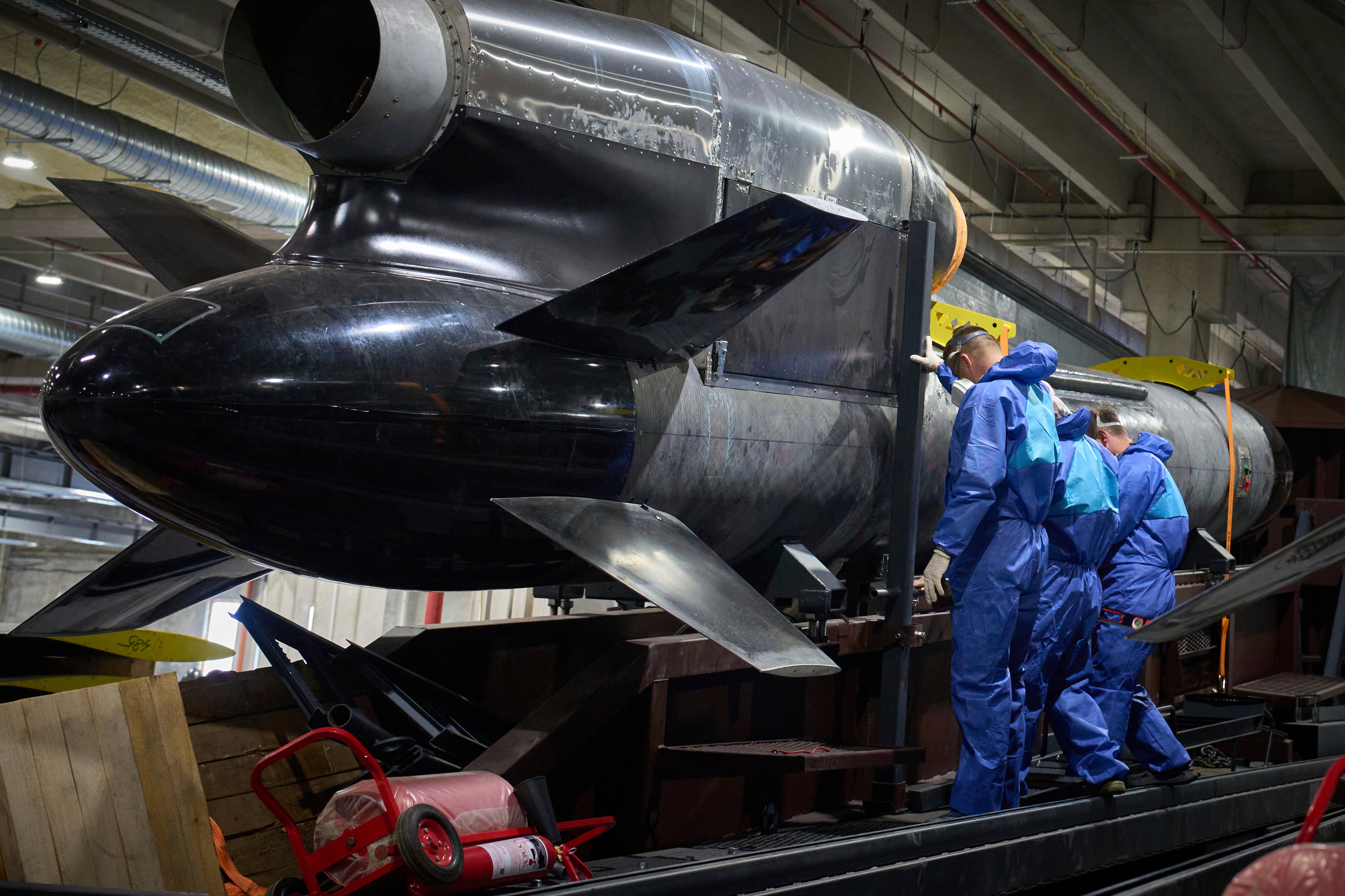
Britain needs to modify its stance on resilience and defence, at home as much as abroad. The threat is now – not five years down the road, as the defence review hinted. The need is to tackle the enemy and malign actors working within the gate, rather than focusing on the enemy outside the gate. The review has been almost shamefully neglectful of the army and its reserves – starved of funding, as the recent public accounts committee reported – and both are needed for resilience, in wartime and peacetime.
The sense of urgency is driven by the huge revolution in ground warfare concepts and tactics now underway in the battlefields, dominated by drone, cyber and AI, in Ukraine. We just don’t seem ready to innovate and adapt with the urgency Manningham-Buller and Hill suggest.
Too much of UK defence and resilience planning is based on putting off funding and investment till tomorrow. In defence terms, the promise of jam tomorrow risks becoming strategic roadkill today.
Join our commenting forum
Join thought-provoking conversations, follow other Independent readers and see their replies
Comments